

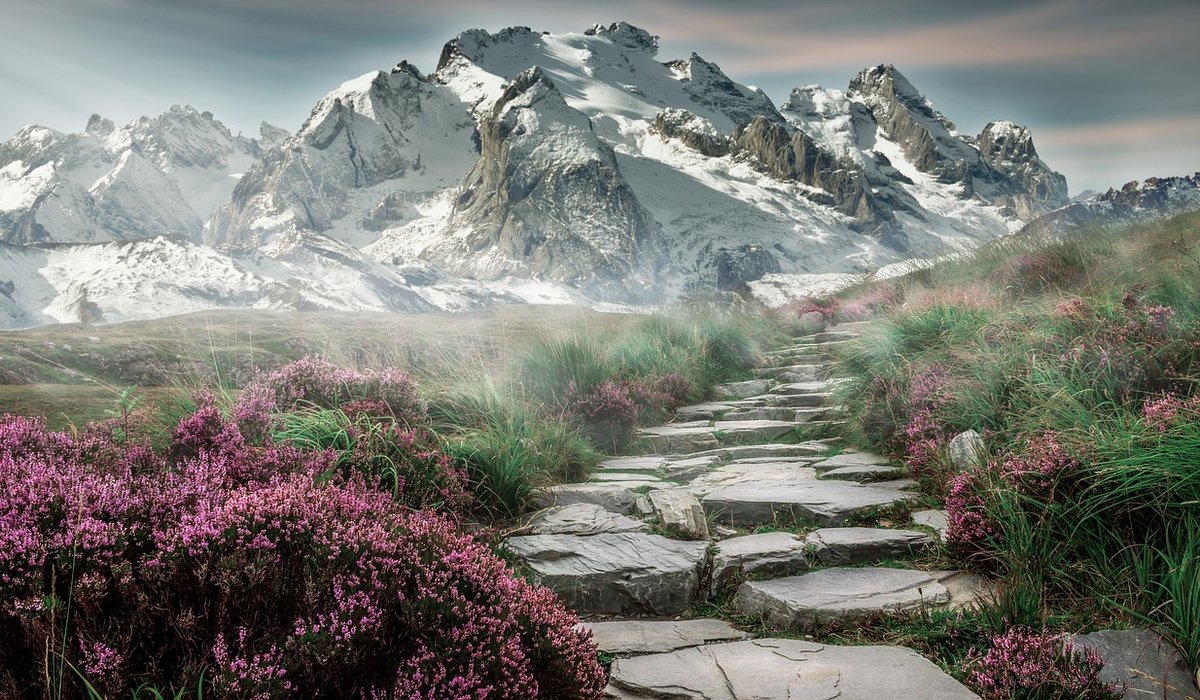
Layering Clothes for Changeable British Weather
Why layering is the answer to British weather
British weather has a habit of changing its mind. You can set off under blue sky, meet a sharp shower on the ridge, and finish in warm sunshine all within a couple of hours. A single heavy coat cannot cope with that range. You either boil on the climb or shiver when you stop. Layering solves the problem by letting you fine-tune your warmth and protection without stopping for long. The principle is simple: move moisture away from your skin, trap warmth in the middle, and keep wind and rain out on the outside. Get that right and you will enjoy the countryside far more, whatever the forecast says.
Start with a base layer that manages moisture
Your base layer sits next to your skin, so its job is to move sweat away before it chills you. Cotton is a poor choice for walking because it soaks up moisture and stays damp. Instead, choose merino wool or a synthetic fabric such as polyester. Merino is naturally odour-resistant and feels soft, while synthetics dry very quickly. A close but comfortable fit works best, because loose fabric cannot wick efficiently.
For most British walks, a short-sleeved base layer is fine in summer, while long sleeves suit cooler months. If you feel the cold, a lightweight zip-neck base layer gives you a little extra ventilation at the collar. Pack one spare base layer for longer walks or cold, wet days. Changing into a dry top at a lunch stop can transform how you feel for the afternoon.
Add insulation with a fleece or synthetic midlayer
The middle layer traps warm air and gives you something to remove when you warm up. A fleece is the classic British choice because it is light, breathable, and forgiving when damp. Look for a grid fleece or micro fleece for active walking. They are less bulky than old-fashioned pile fleeces and dry quickly. A full-length zip is more useful than a half zip because you can open it wide on a climb without taking it off.
On colder days, a synthetic insulated jacket adds more warmth for very little weight. Down is warmer for its weight, but it loses loft when wet, so synthetic fill is more reliable in persistent British drizzle. Your midlayer should fit over your base layer without compressing it, but not so loosely that it flaps in the wind. If you run hot, carry a lightweight fleece and add a thin insulated vest rather than a thick jacket.
Protect yourself with a waterproof shell
The outer layer is your defence against wind and rain. A waterproof jacket needs taped seams and a hood that adjusts. Many jackets are only showerproof, which is not enough for a day on the hills. Look for a fabric that is both waterproof and breathable, with pit zips or chest vents so you can dump heat without exposing your torso. A durable water repellent finish helps rain bead up, but it wears off and needs refreshing.
Carry waterproof overtrousers as well. They take up little space and make a huge difference when rain arrives sideways. A lightweight shell is fine for summer, but winter walkers should choose a slightly heavier jacket with a stiffened hood brim. Remember that a waterproof jacket is not a substitute for insulation. It has almost no warmth of its own, so wear it over your fleece, not instead of it.
Adjusting your layers as you walk
The art of layering is knowing when to change. A good rule is to start slightly cool, because you will warm up within ten minutes of walking. If you begin a climb feeling snug, you will soon be sweating. Stop before you overheat, remove a layer, and pack it away. When you stop for a break, put that layer back on straight away. Your body cools quickly when you are no longer moving.
Use your rucksack as your wardrobe. Keep your waterproof jacket at the top so you can grab it without emptying everything. On a typical spring day in the hills, you might start in a base layer and thin fleece, add a shell for a shower, remove the fleece on a steep ascent, and put it back on for the summit. That flexibility is the whole point. Check the forecast, but trust your own temperature more than the numbers.
Small extras that make a big difference
A few accessories complete your layering system:
- Thin hat and gloves weigh almost nothing but keep you comfortable when the wind picks up.
- Neck gaiter or buff can be pulled up over your chin or used as a headband.
- Spare socks in a dry bag are a treat if you splash through a bog.
- Lightweight dry bag or rucksack liner for your spare layers, because there is no point having a dry fleece if it has been sitting in a puddle.
With a flexible layering system, you can head out in changeable weather with confidence. You will stay drier, warmer, and happier, whether you are walking a lowland path or a high fell.


Footpaths
-
Plan a gentle low-level route beside streams and meadows, with advice on bridges, pubs, and transport links for a linear day out.
Walking Gear


-

Long established fact that a reader will be distracted
-

Long established fact that a reader will be distracted
-

Long established fact that a reader will be distracted



Stiles & Gates
Karla Gleichauf
12 May 2017 at 05:28 pm
On the other hand, we denounce with righteous indignation and dislike men who are so beguiled and demoralized by the charms of pleasure of the moment
M Shyamalan
12 May 2017 at 05:28 pm
On the other hand, we denounce with righteous indignation and dislike men who are so beguiled and demoralized by the charms of pleasure of the moment
Liz Montano
12 May 2017 at 05:28 pm
On the other hand, we denounce with righteous indignation and dislike men who are so beguiled and demoralized by the charms of pleasure of the moment