

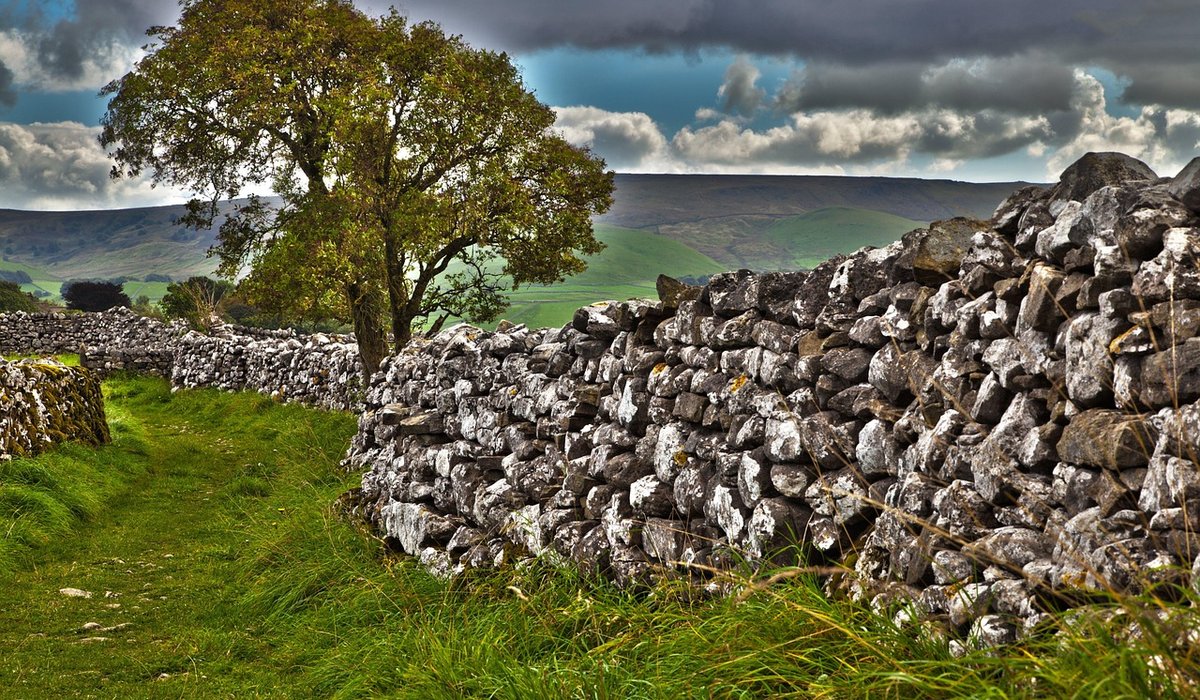
Understanding Countryside Stewardship and Path Maintenance
Who keeps our footpaths open?
There is a quiet army of people who keep the British countryside open for walkers. You might not see them, but they are there: farmers, council officers, volunteers, and landowners. The network of public rights of way – footpaths, bridleways, and byways – is a shared responsibility. No single organisation does it all. Understanding how the system works helps you enjoy the countryside more and know what to do when a path is blocked or a sign is missing.
What Countryside Stewardship means for walkers
Countryside Stewardship is a government scheme that pays farmers and land managers to look after the environment. That includes public access. When land is under a stewardship agreement, the landowner may receive payments for keeping paths clear, installing gates that are easy to use, and putting up waymark signs. This is not charity – it is a contract. The farmer gets financial support, and you get a better walking experience. Common access options include:
- Cutting back vegetation along the path edge
- Maintaining stiles, gates, and bridges
- Waymarking routes where they are unclear
- Providing new permissive access in some cases
Not all farmland is in a scheme, and schemes change over time. But where they operate, they can transform a muddy, overgrown trail into a pleasant route. The key point is that stewardship is one part of the puzzle, not the whole picture.
Councils and highway authorities: the legal backbone
Your local council – usually the county council or unitary authority – has a legal duty to record and maintain public rights of way. They hold the definitive map, which is the official record of where paths exist. They are responsible for clearing overgrowth, repairing footbridges, and replacing broken fingerposts. However, budgets have been squeezed for years. Many rights of way teams are small and stretched. They prioritise the worst problems, often working with landowners to resolve issues. If a path is blocked by a fallen tree or a crop, the council can serve notice on the landowner. But they need to know about it first.
Volunteers: the unsung heroes of the path network
Across the UK, thousands of volunteers give their time to keep paths open. They come from walking groups, parish councils, and local access forums. Their work is practical and specific: cutting back nettles and brambles, clearing drainage channels, replacing rotten stiles, and repainting waymarks. Some act as path wardens, checking a stretch of path regularly and reporting problems. Without them, many routes would become impassable within a season. Volunteering is also a great way to learn new skills and meet like-minded people. If you walk regularly, consider joining a local group – even a few hours a year makes a difference.
What to do when you find a problem
You are walking and you find a stile broken, a path blocked by a locked gate, or a sign missing. What next? First, note the exact location – a grid reference or a clear description of the nearest village and path number is ideal. Take a photo if you can. Then report it to the highway authority’s rights of way team. Most councils have an online reporting form or a phone number. Be polite and specific. If the problem is on farmland, the landowner may not realise it is a problem. A friendly word can sometimes solve it quickly. If nothing happens, you can escalate to the local access forum or the relevant ombudsman, but that is rare. The main thing is: do report it. Councils act on evidence.
How you can play your part
Every walker can help maintain the countryside we love. Start by following the Countryside Code: close gates, keep dogs under control, take litter home, and do not damage walls or crops. If you see a small obstruction – a stray branch, for example – you can move it safely if you are able. But do not attempt major work without permission. Better still, join a volunteer group. You could adopt a path, help with a survey, or join a work party. You can also support campaigns for better funding for rights of way. The more people who use and care for our paths, the harder they are to ignore. After all, a path that is walked is a path that is valued.


Footpaths
-
Improve your images with natural light, leading lines, and respect for private land when photographing stiles, walls, and footpaths.
Walking Gear


-

Long established fact that a reader will be distracted
-

Long established fact that a reader will be distracted
-

Long established fact that a reader will be distracted



Stiles & Gates
Karla Gleichauf
12 May 2017 at 05:28 pm
On the other hand, we denounce with righteous indignation and dislike men who are so beguiled and demoralized by the charms of pleasure of the moment
M Shyamalan
12 May 2017 at 05:28 pm
On the other hand, we denounce with righteous indignation and dislike men who are so beguiled and demoralized by the charms of pleasure of the moment
Liz Montano
12 May 2017 at 05:28 pm
On the other hand, we denounce with righteous indignation and dislike men who are so beguiled and demoralized by the charms of pleasure of the moment